
Forums
-
General Marble & Glass Chat
-

- 101.6k
- posts
-

- 72.1k
- posts
-

- 5.2k
- posts
-

- 224
- posts
-

- 1.5k
- posts
-

- 1.2k
- posts
-

- 794
- posts
-

- 9.5k
- posts
-

- 316
- posts
-

- 461
- posts
-

- 270
- posts
-

- 14.7k
- posts
-

- 20
- posts
-




-
Upcoming Events
No upcoming events found -
Donate
We appreciate all donations of any amount! Your donations help pay hosting and licensing fees which total about US$550 a year now. Any excess beyond yearly is put into our hosting account to apply future payments. Thanks!
23% of donation goal reached.Donate Sidebar by DevFuse -
Recent activity
-
6
UV glow slag/swirl between 37/64's & 19/32's ID help.
Off topic but.. in Your first photo, the Jeep closest to your thumb, I dug that same Tootsie Toy Jeep a few days ago while metal detecting. Yours is in way better shape!! Nice collection CharlieT -
1
-
4
Fairylite ... German? American?
Below is what I posted at All About Marbles. I hope it helps! (Sorry, I cannot change the font size!) On "foreign" wirepulls Post by shiroaiko » Wed Mar 06, 2024 11:52 am Recently I learned something big from a book specialized in old Japanese tin toys. The book says that “foreign” was used in stead of “made in Japan” after Showa13 (1938) on Japanese exports. According to the book, it was the time Japan started war/massacre against China which provoked the world’s antipathy against the country. The antipathy was reasonable. It was like nearly 200,000 Chinese citizens who lost their lives. Because Japan needed to earn foreign money, tin toy trade continued for years even during WW2. Although tin toy production for domestic market was banned in Showa13, production for export persisted for that reason. Tin toys being produced after 1938 were carved “foreign” to hide identity. In the cases “made in Japan” was already printed on toys, the letters were concealed under a paint or scraped off. Then “foreign" was put on afterwards. The similar situation would apply to Seike’s wirepulls, because the time was about the same. Seike’s wirepull patent was applied in November Showa11 (1936). It is possible to think Seike's wirepulls were also exported to the world as “foreign” marbles after the Nanjing massacre for a few years. Japan's marble export to the 3rd countries ( the countries which were out of Yen block economy, such as UK and the US) was known to end in July Showa16 (1941). So "foreign" means production between Showa 13-16 (1938-41). -
2
History Of Marbles Made Abroad
Aichi Denkyu (lightbulb) Godo is the name of the company you were looking for! One of the mysteries solved! Thank you, Steph!🥰 It was also a manufacturer of various light bulbs including ones for Christmas. The company was founded in 1924, but they seem to make marbles after WW2. The trade mark for Japanese market was アヅマ (azuma) in a circle which corresponds the one for the foreign market (below is a clipping from "JIS Factory Directory for 1965" published in 1964). According to a 1958 directory, the company employed 220 workers and the major customers were the US, Holland, Italy, Canada and Salvador. The company seems to be closed in 1970's, but its brother company exists until now in Nagoya. There was another marble maker called Azuma Brothers Glass Co. (1954-1959?). Their marbles and ohajikis were sold under "Libbon-Earth Brand". So I wondered which company made the exported cat's eyes of Azuma boxes. To add, #67 of my Japanese marble maker's list is for Aichi Denkyu Godo. ↓ 67 愛知電球合同 ❶名古屋市中区東陽町11-39 河合秀 設立大正15年 従業員数220名 一般家庭球 蛍光灯 クリスマス用装飾球 一般小型球 赤外線電球 グラスマーブル その他一般照明球特殊電球の製造 仕向地 東南アジア 印度 タイ 北中南米 中近東 アフリカ 豪州/「全国輸出入業者総覧 : 製造業者・貿易商 第5版」1958. 第14版 1968. 第15版 1969. 第19版 1973. 第20版 1974. 第21版 1975. ❷主要輸出品 電球 グラスマーブル 主要国内販売品 電球 グラスマーブル 電気材料 主要仕向国 アメリカ オランダ イタリア カナダ サルバドル/「全国貿易業者名簿 昭和36年版」❸各種電球 グラスマーブル 硝子製品 設立大正13年3月15日 商標は円の中にアヅマ。/「JIS工場通覧 1965年版」1964 ❹アヅマランプ 一般照明用電球 赤外線電球 耐震電球 リフレクターランプ グラスマーブル/「名古屋商工名鑑 昭和40年版」❺社長 河合利周 製造 一般照明用電球 大型電球 小丸電球 赤外線電球 その他特殊電球 グラスマーブル/「電気年鑑 1971年版」1970. 1972年版 1971. ❻アヅマ電気(株)昭和45年4月 大株主愛知電球合同 代表取締役会長 河合利周 愛知電球合同の商標は円の中にカタカナでアヅマ。アメリカで報告されたビー玉パッケージには円の中にアルファベットでAZUMA。東兄弟の登録商標はLibbon Earth Brandで、地球にリボンがかかった印。 -
28
Hello from Japan
A group of blues in two shades. From left to right; 17.5mm, 16.5mm, 16.5mm, 14.5mm, 16.5mm, 17.5mm. Out of 6, 3 got visible cutlines. One got big eyelashes. The smallest is perfect with bubbles! The right amount of bubbles so that streaky vanes can be seen through.
-
-
Albums
-
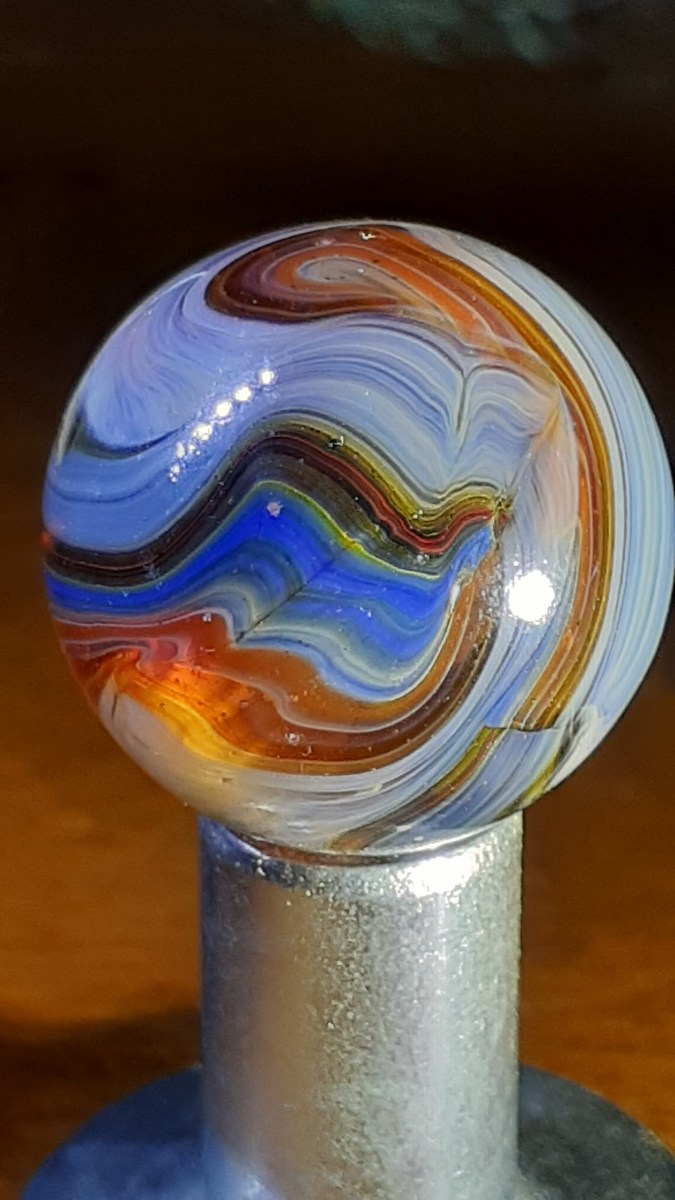
joe david valencia
- By Joe2,
- 0
- 0
- 10
-
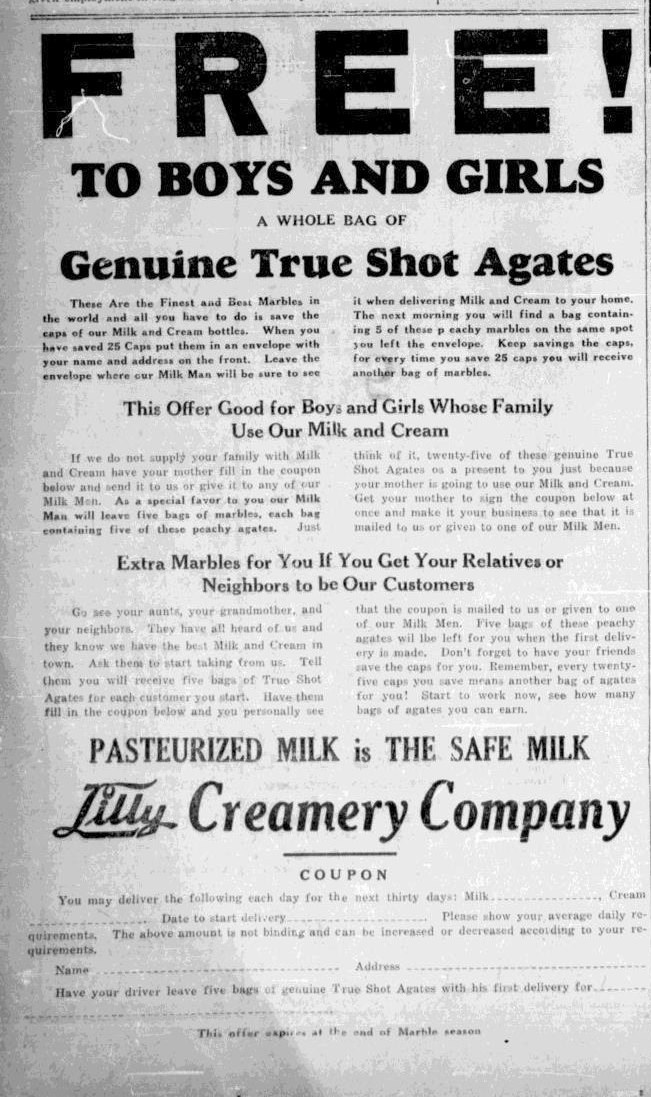
Marble Advertisements from Newspapers
- By bumblebee,
- 0
- 0
- 32
-
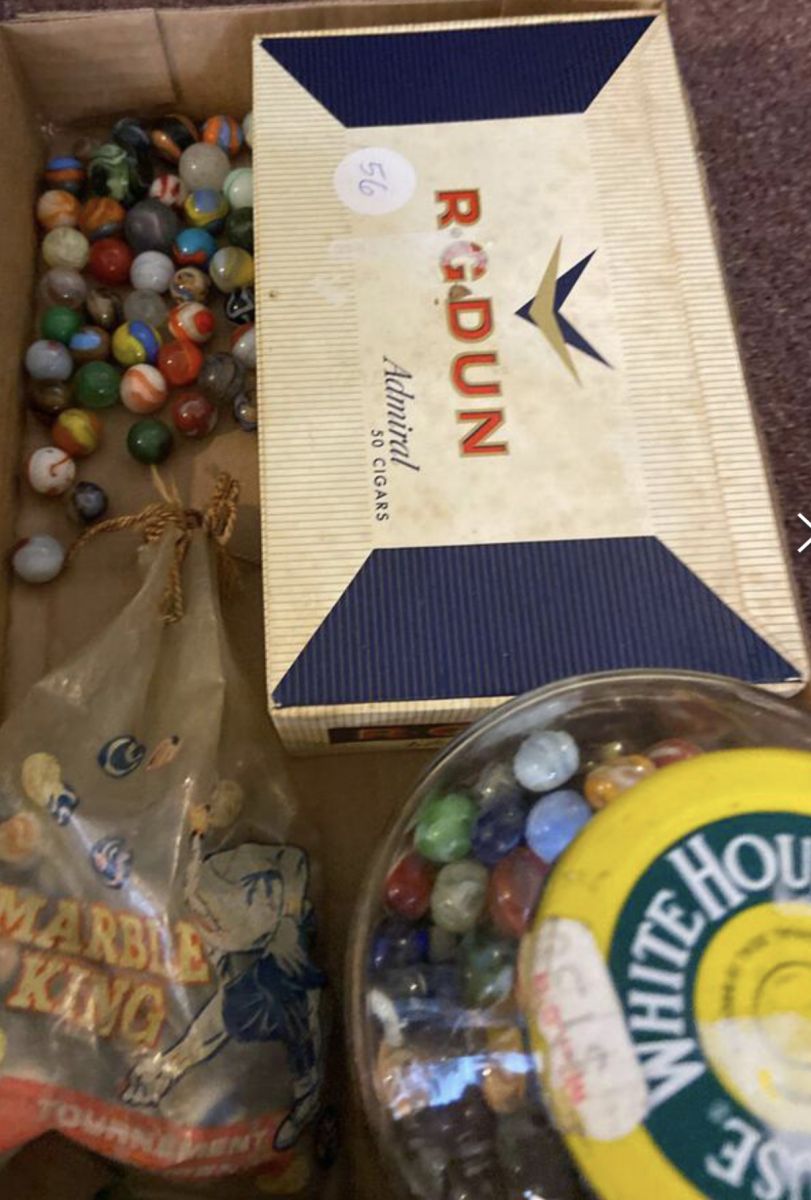
Temp
- By Jiminohio,
- 0
- 0
- 3
-
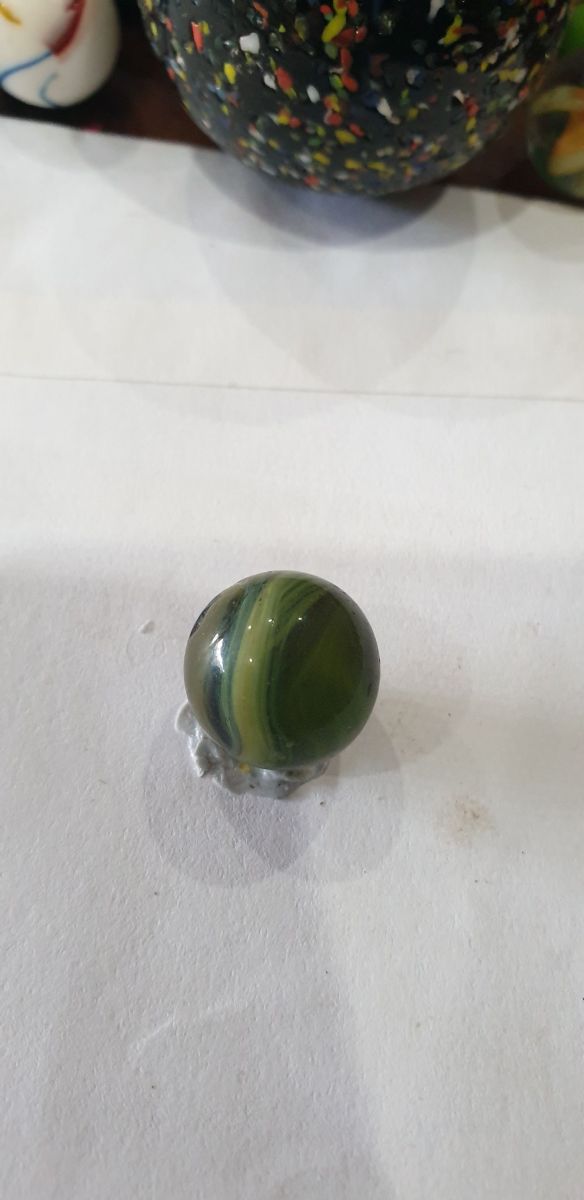
Some more pics' not sure what's old or new in these
- By VickieB,
- 0
- 0
- 65
-
Unidentified
- By VickieB,
- 0
- 0
- 10
-




